
custom size mirror
Understanding Filter DN50 The Essential Component for Fluid Management When it comes to the management of fluids in industrial, commercial, and even residential applications, filters play a crucial role. Among the various types of filters available, the DN50 filter stands out due to its size, efficiency, and versatility. The term DN50 refers to the nominal diameter of the pipe, which is 50 millimeters, making it a commonly used size in various piping systems. Understanding Filter DN50 The Essential Component for Fluid Management One of the primary advantages of using a DN50 filter is its ability to handle a reasonable flow rate while effectively trapping debris, particulates, and other unwanted substances. This facilitates a cleaner and more efficient operation, reducing the chances of clogs, wear, and potential failures in pumps, valves, and other critical components of the fluid system. Regular maintenance and monitoring of the filter are essential, as a clogged filter can significantly impair system performance. filter dn50 Moreover, DN50 filters are available in various designs and materials, including stainless steel, plastic, and more, catering to the specific needs of different applications. Some models are equipped with features such as self-cleaning mechanisms, which enhance their operational longevity and reduce the need for frequent manual intervention. The installation of a DN50 filter can greatly extend the life of a fluid system. By removing particulates and impurities, the filter prevents them from accumulating and causing damage to other system components. This not only improves operational efficiency but can also lead to cost savings over time by minimizing repairs and replacements. In summary, the DN50 filter is a vital component for any fluid management system. Its ability to maintain fluid quality while accommodating significant flow rates makes it indispensable across various industries. Whether in a water treatment facility removing sediments or in a manufacturing plant ensuring that hydraulic systems remain free from contamination, the DN50 filter serves a critical function in safeguarding equipment and enhancing overall system performance. As technology continues to evolve, we can anticipate even more advanced filtration solutions that will further improve efficiency and efficacy across various applications.
about
custom size mirror
Understanding the Gate Valve DN80 A Comprehensive Overview When it comes to fluid control in various industrial applications, the gate valve is one of the most popular types of valves used today. Specifically, the DN80 gate valve holds a significant position due to its size and versatility. DN, or Diameter Nominal, references the valve's nominal size in millimeters; thus, DN80 indicates a valve with a diameter of 80 millimeters. What Is a Gate Valve? A gate valve is primarily designed to allow or obstruct the flow of fluid. Unlike other valve types, such as globe valves or ball valves, gate valves are either fully open or fully closed. They are known for their exceptional sealing ability and minimal flow resistance when fully open. This feature makes them ideal for applications where a straight-line flow of fluid is necessary. Design and Construction The gate valve DN80 typically features a steel or cast iron body, with various internal components that can vary depending on the application. The internal mechanism consists of a gate or wedge that moves up and down, driven by a handwheel or actuator. When the handwheel is turned, the gate moves down into the flow path to close the valve or rises to open it. The design of the DN80 gate valve ensures durability and reliability. Many are equipped to handle high pressures and can withstand varying temperatures, making them suitable for both cold water services and hot applications, such as steam and oil transport. Applications of DN80 Gate Valves gate valve dn80 The DN80 gate valve finds application across a wide range of industries, including waterworks, wastewater treatment, oil and gas, and power generation. In water distribution systems, these valves help manage the flow of water between different sections of pipelines. In the oil and gas industry, they are used to control the flow of crude oil or natural gas in various processing stages. One of the key advantages of using a DN80 gate valve is its ability to provide a tight seal. This capability prevents fluid leakage, which is essential for safety and environmental concerns. Furthermore, when the valve is fully open, it presents minimal resistance to fluid flow, thereby preserving system efficiency. Maintenance and Operation Like any mechanical device, the DN80 gate valve requires routine maintenance to ensure longevity and optimal performance. Operators should regularly check for signs of wear, corrosion, or any leakage. It’s essential to exercise the valve periodically to prevent it from seizing or becoming stuck in the closed position. In terms of operation, the valve should always be opened and closed gradually to avoid sudden pressure fluctuations that could damage the valve seat or associated pipework. Conclusion In conclusion, the DN80 gate valve is an indispensable component in various industrial systems. Its robust design, reliability, and effective flow control make it a preferred choice among engineers and operators alike. Understanding the features and maintenance requirements of the DN80 gate valve is essential for anyone involved in fluid management, ensuring both efficient operation and safety in any industrial setting. Whether it’s controlling water flow or managing hydrocarbons, the DN80 gate valve stands out as a critical element in the engineering and operational toolkit.
-

High quality industrial productsagement

High quality industrial products
View Details -

Meet the diverse needs of customers

Meet the diverse needs of customers
View Details -

Strict quality control

Strict quality control
View Details -

Top raw materials

Top raw materials
View Details -

Trusted supplier

Trusted supplier
View Details
Our application

news and information
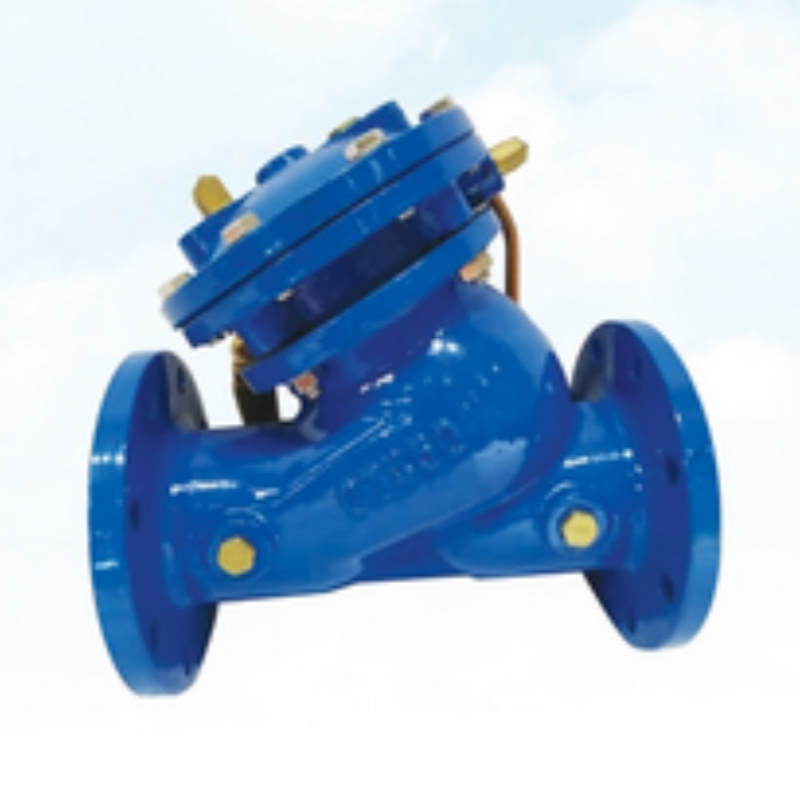
Valve Solutions for Industrial Applications _ Precision Engineering & Innovation
The Evolution of Valve Technology in Modern Industries In recent years, valve technology has become

Water Shutoff Valve Installation and Maintenance Guide for Homeowners and Professionals
Understanding Water Shutoff Valves Importance and Functionality Water shutoff valves play a crucial

Y Type Strainer with Integrated Drain Valve for Efficient Fluid Management
Understanding Y-Type Strainers with Drain Valves In various industrial applications, ensuring the in
 English